
 Italian

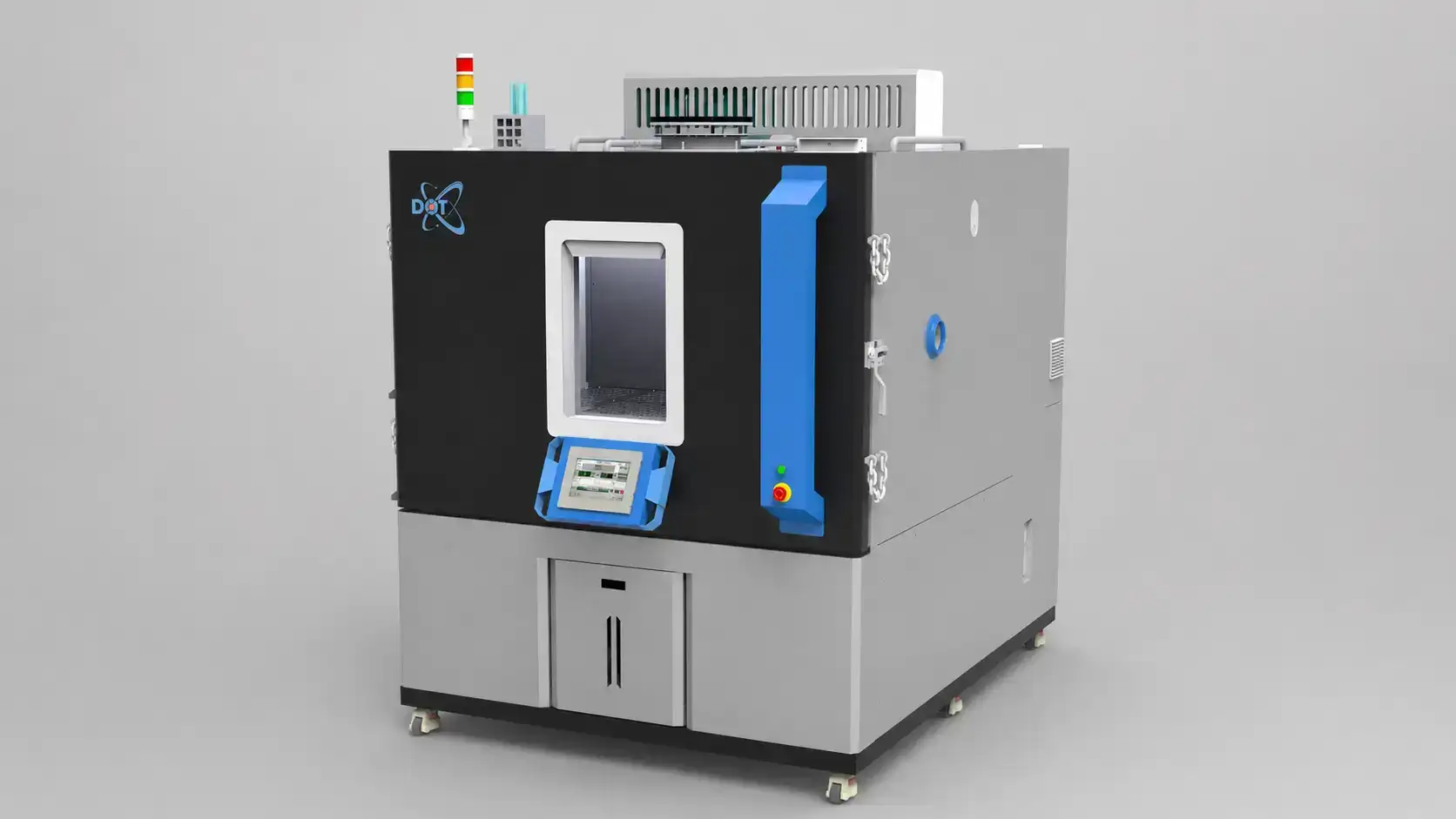
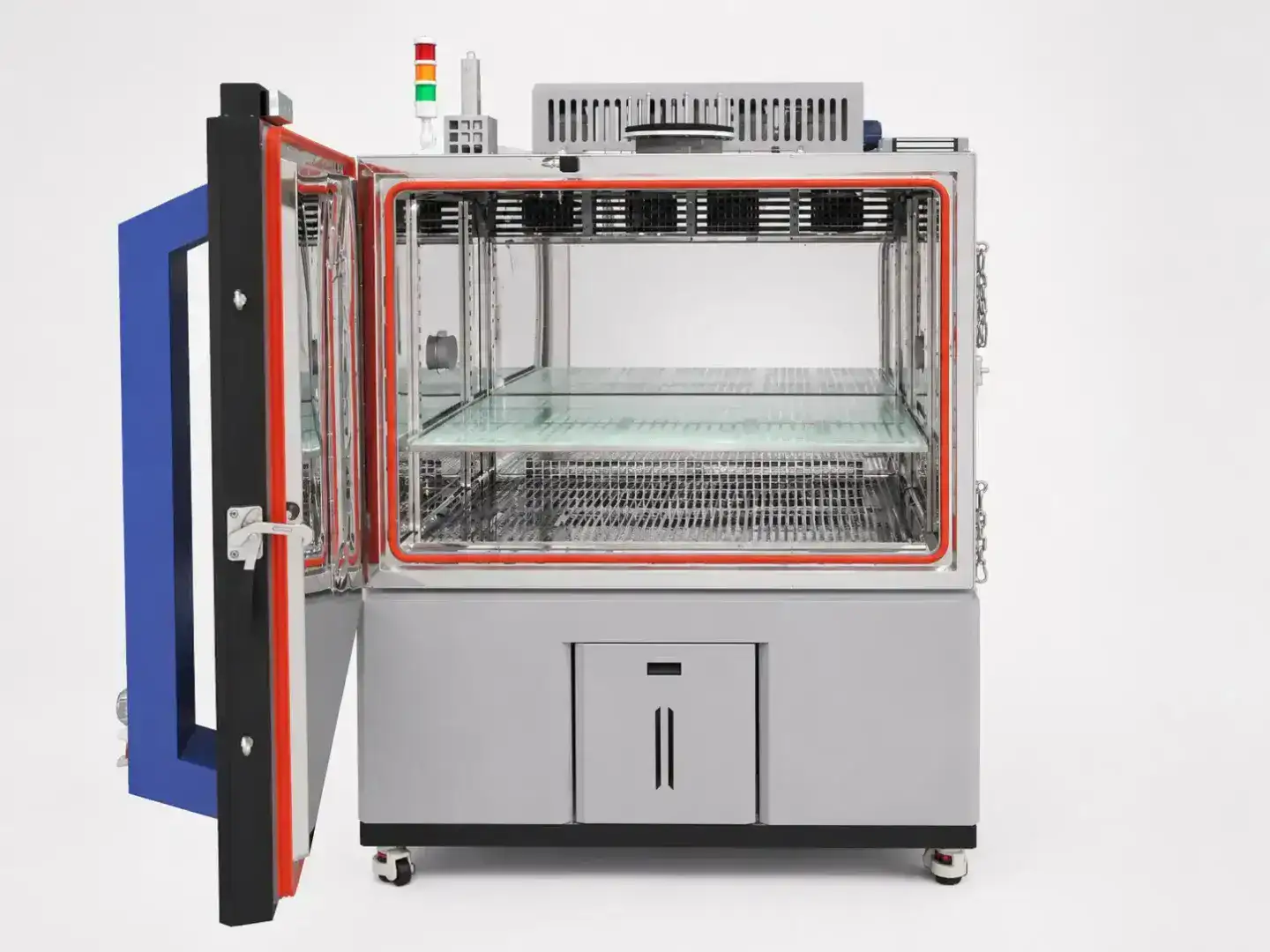
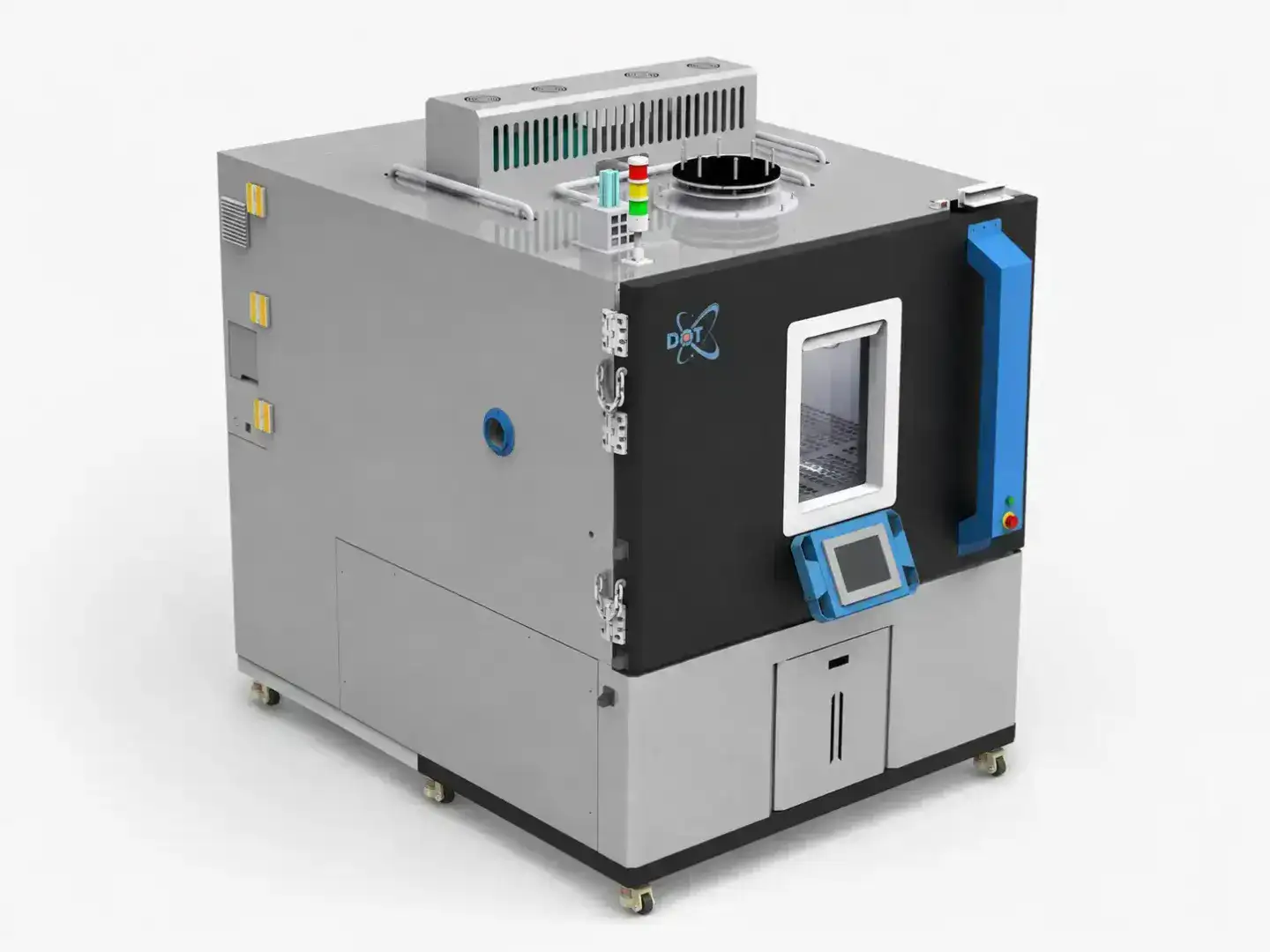
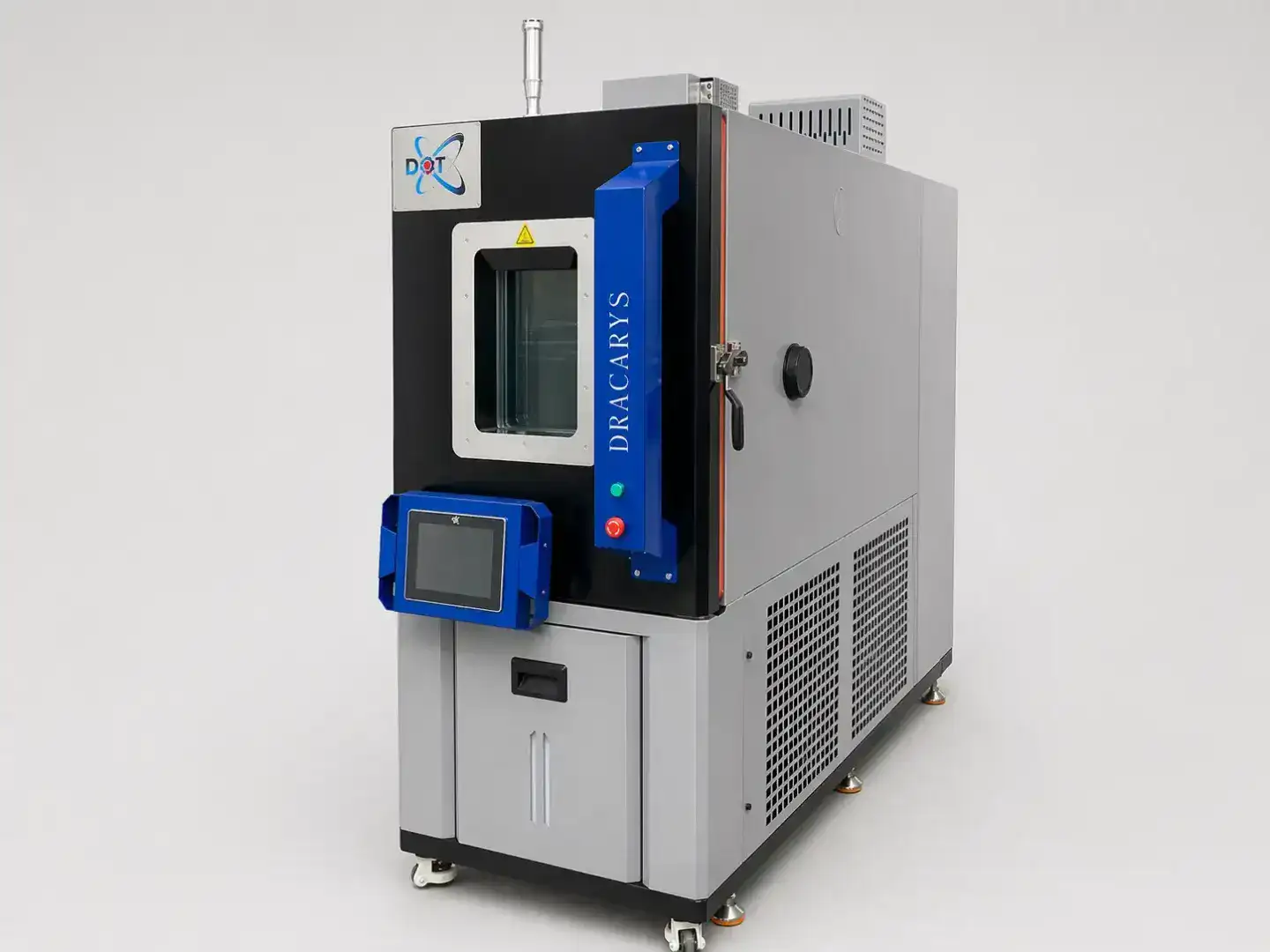
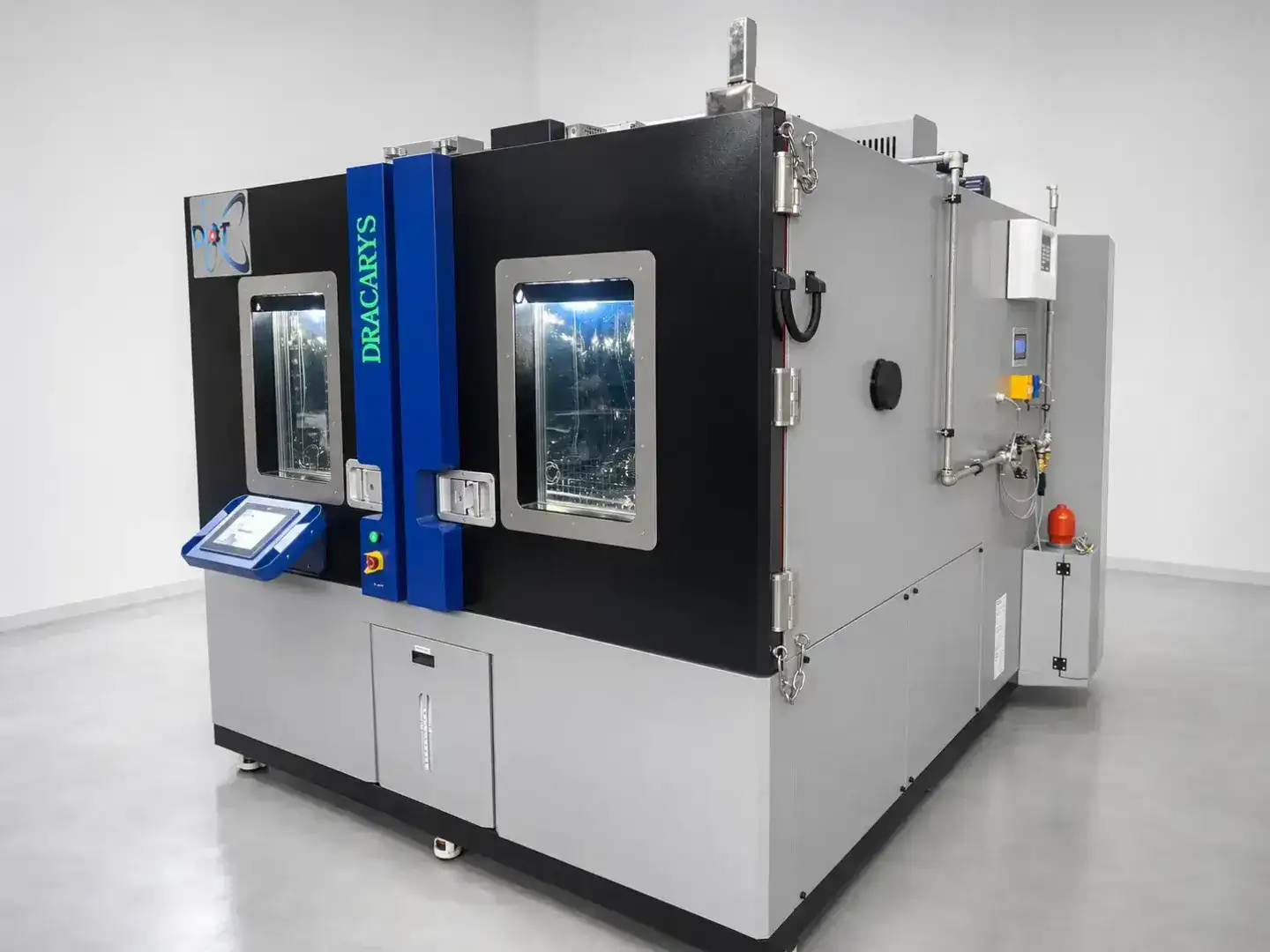
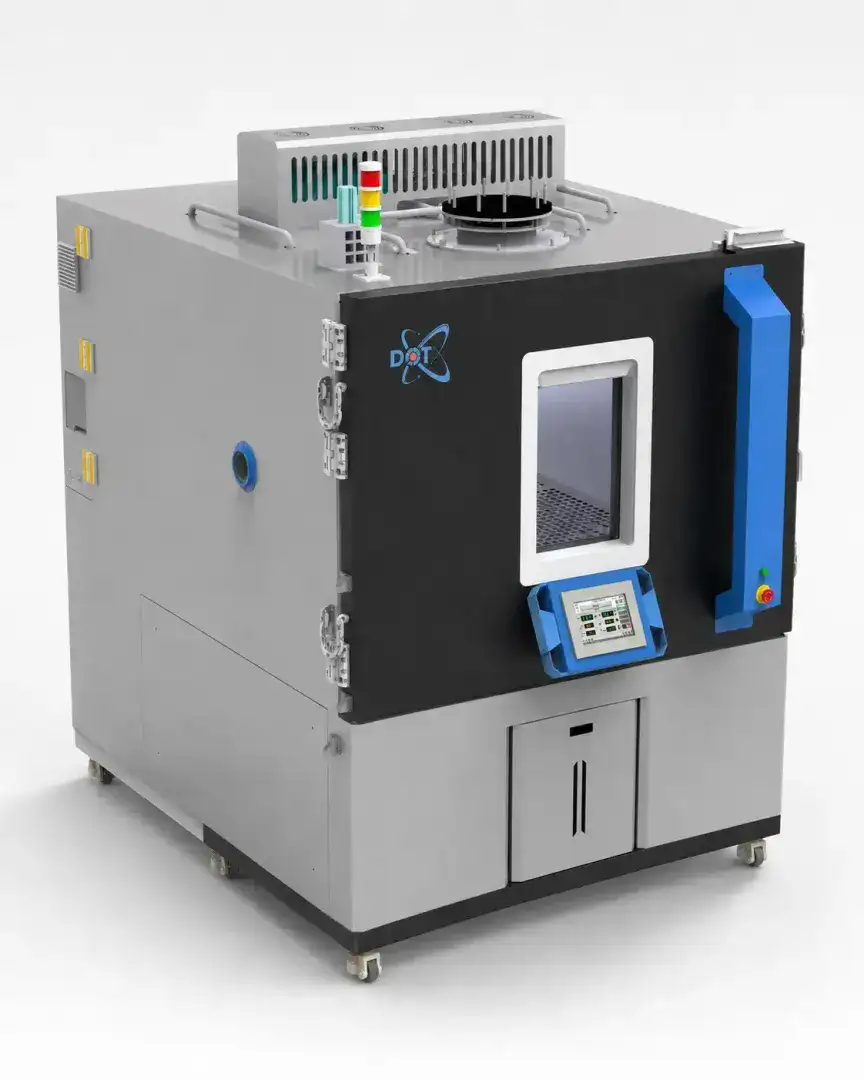
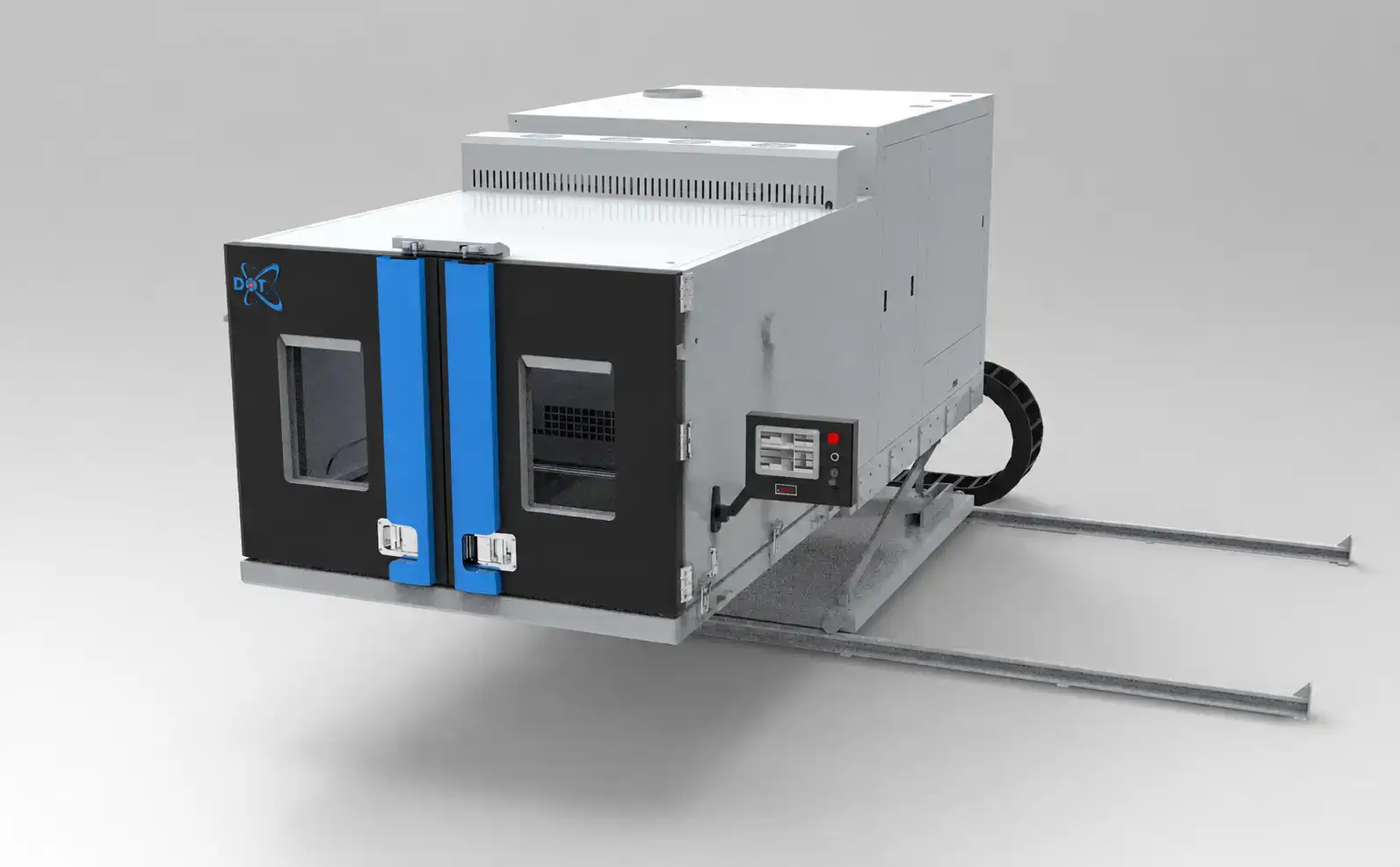
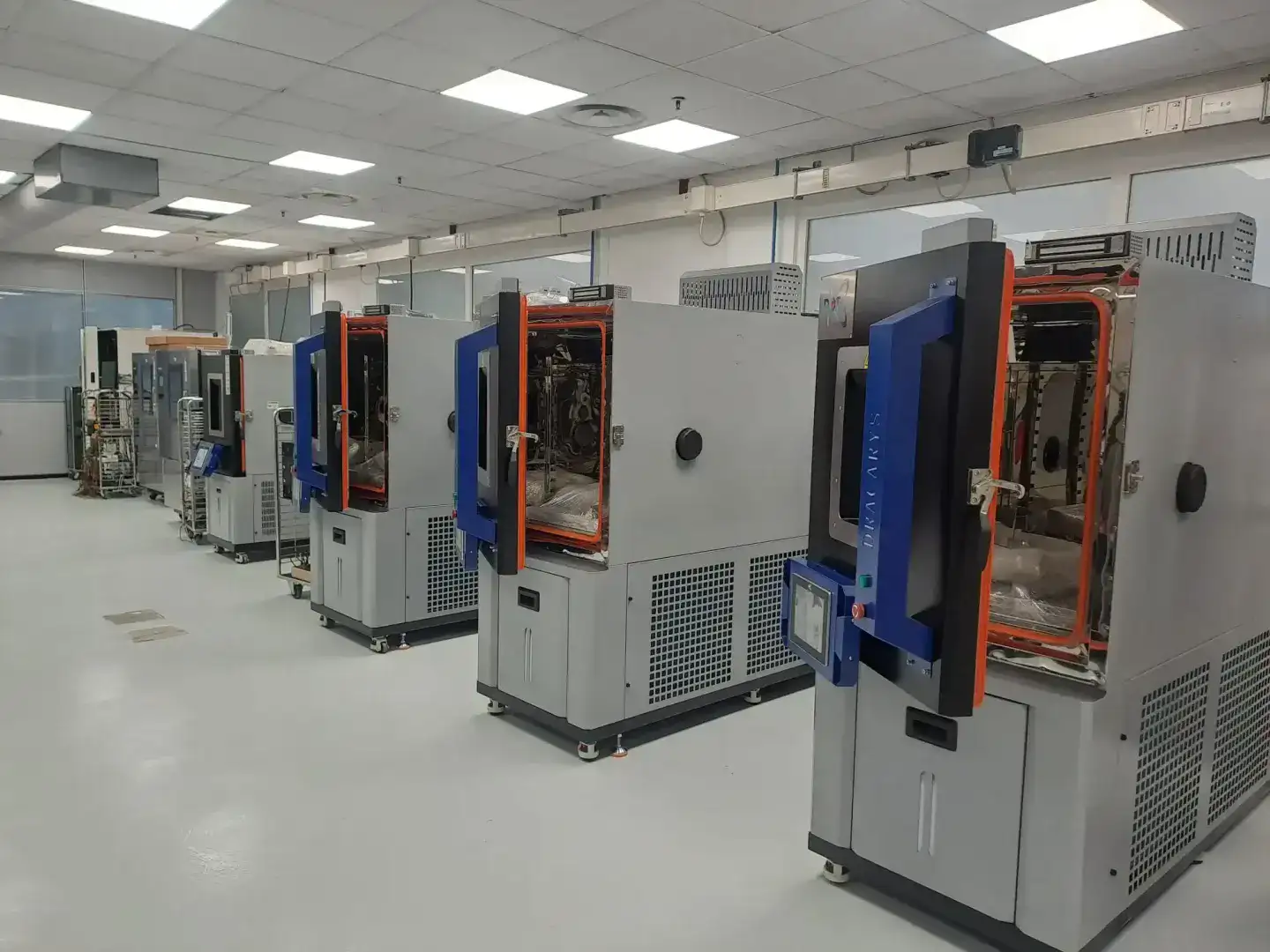
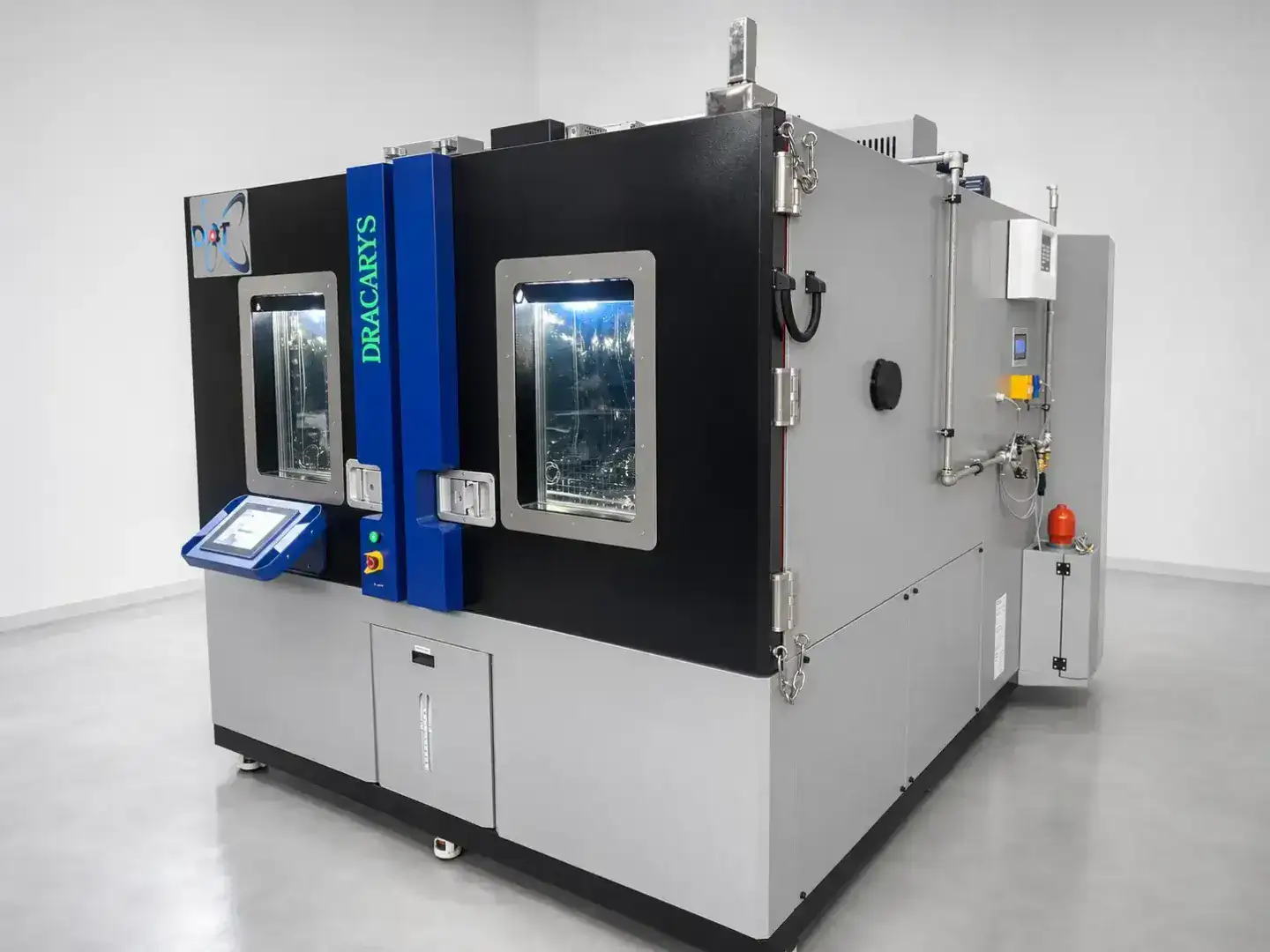
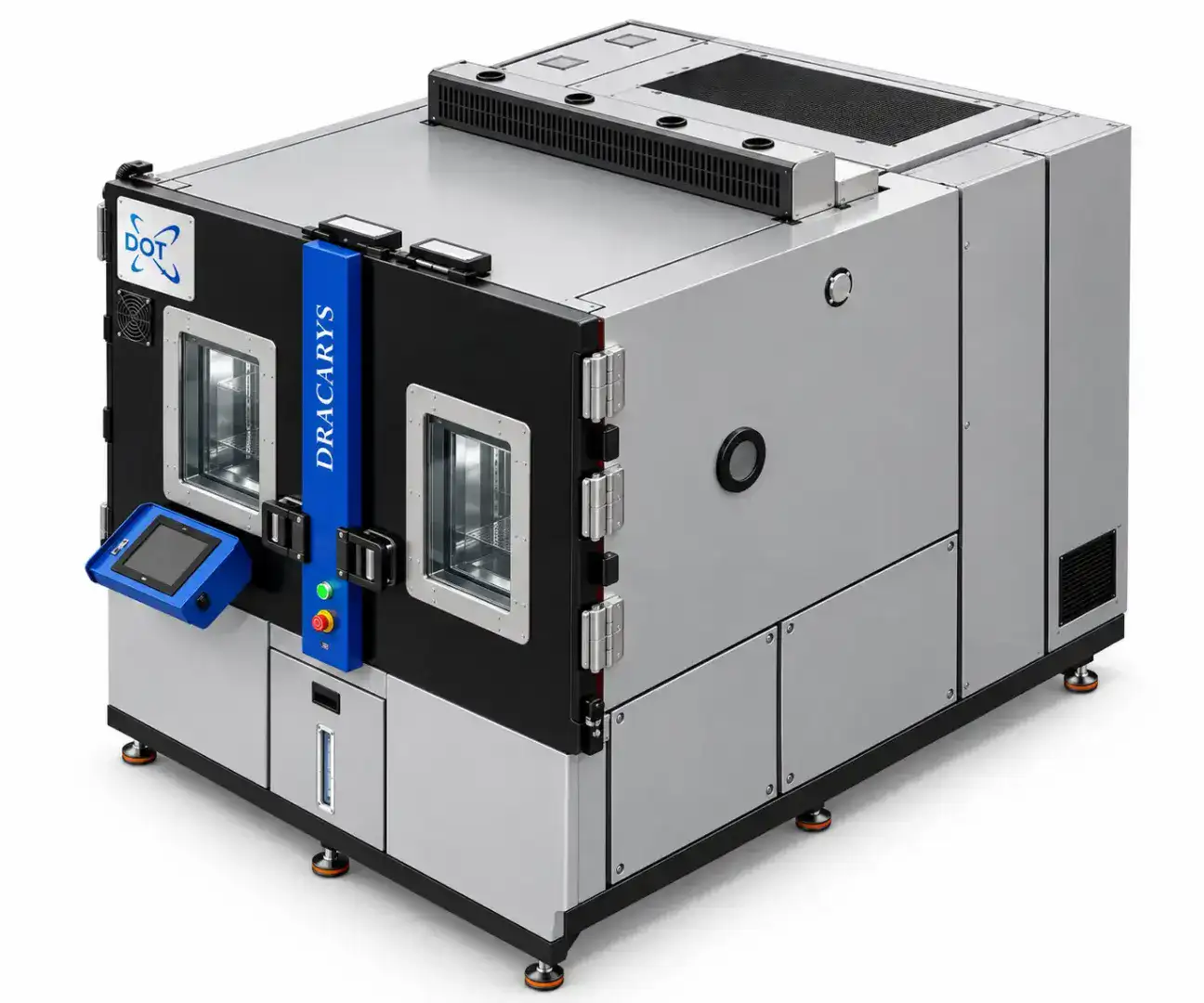
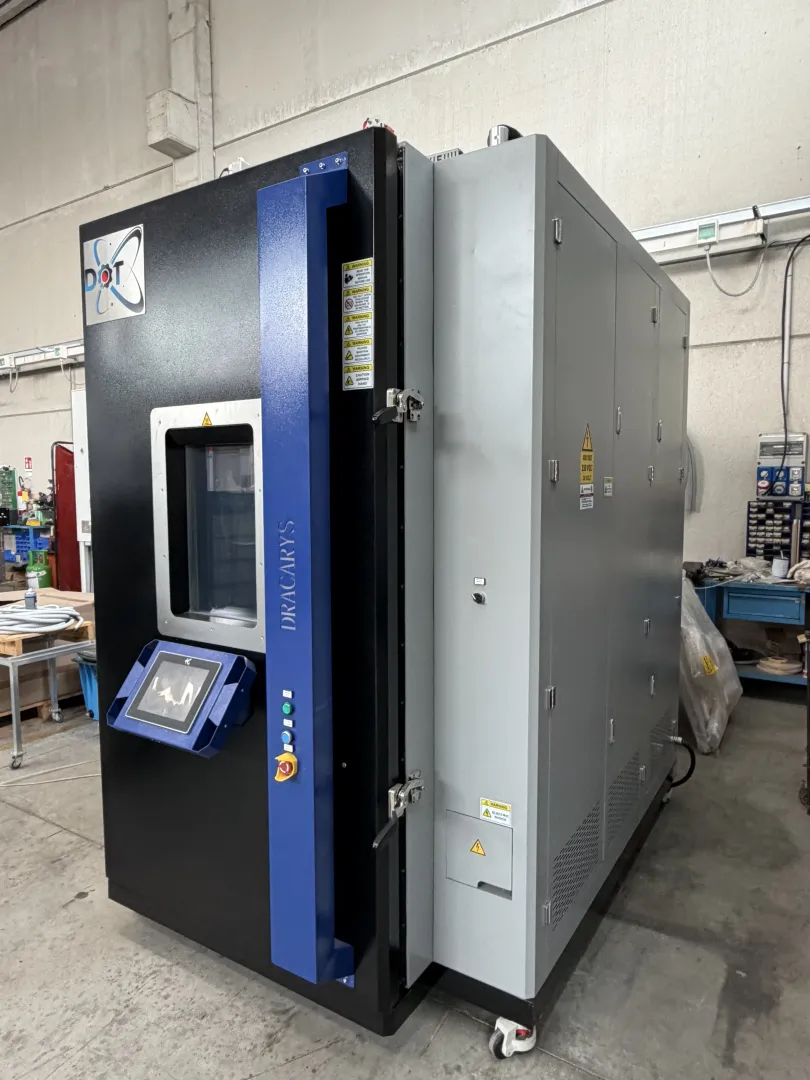
The DRACARYS SPEED by Il Disgelo are high-performance stand-alone climatic and thermostatic chambers designed for environmental testing requiring high rates of temperature change and precise control of test conditions.
The range has been developed to reproduce rapid hot/cold cycles and severe environmental conditions, allowing qualification, validation and Environmental Stress Screening (ESS) activities to be accelerated on components, materials and systems.
The FX configurations are designed for tests requiring high average temperature-change rates, while the X configurations are intended for controlled linear temperature variations. Different performance levels are available according to chamber volume, temperature range and required test dynamics.
DRACARYS SPEED chambers integrate the refrigeration system, air treatment, heating, humidity management and control architecture within a stand-alone structure, maintaining the industrial design philosophy of the DRACARYS family.
They are designed to provide:
- high heating and cooling rates;
- precise temperature control;
- relative humidity control in climatic configurations;
- high stability and uniformity of test conditions;
- programming of dynamic thermal and thermo-hygrometric cycles;
- management of ramps, dwell times and automatic sequences;
- acquisition and recording of test parameters;
- integration with sensors, external equipment and test benches;
- continuous operation for accelerated testing and ESS cycles.
The chambers are suitable for applications in the automotive, e-mobility, battery, electronics, aerospace, defence, industrial components and research sectors, where rapid, repeatable and controlled environmental variations are required.
The DRACARYS SPEED range is available in different volumes, temperature ranges and thermal-dynamic performance levels, allowing the most suitable configuration to be selected according to the specific test methodology.
- type: high-dynamic stand-alone climatic and thermostatic chambers;
- available usable volumes: from 80 L to 3500 L;
- temperature configurations: up to −70 °C / +180 °C, depending on the model;
- relative humidity range: up to 20% ÷ 98% RH, in climatic configurations;
- available dynamic configurations:FX5, FX10, X5 and X10;
- FX versions: designed for tests requiring high average temperature change rates;
- X versions: designed for controlled linear temperature variations up to 5 °C/min or 10 °C/min;
- temperature uniformity: up to ±1 °C, according to configuration;
- temperature resolution: up to 0.01 °C;
- humidity resolution: up to 0.1% RH;
- refrigeration system: high-performance, single-stage or cascade depending on temperature range, chamber volume and required dynamics;
- heating: electric heaters integrated into the air-treatment system;
- humidification: by steam generator in climatic configurations;
- dehumidification: by dedicated refrigeration system;
- condensation: air-cooled, with alternative configurations available;
- test compartment:AISI 304 stainless steel;
- air circulation: high-flow forced ventilation;
- control system: PLC with DOT Touch Panel and CliMaLogic®;
- programming: high-dynamic climatic cycles, ramps, dwell times and automatic sequences;
- data logging: recording and export of test parameters;
- connectivity: Ethernet, USB and Modbus TCP/IP;
- integration: configurable for sensors, data acquisition systems, test benches and external equipment;
- power supply:400 V ±10%, three-phase + neutral + earth;
- remote supervision: available.
DRACARYS SPEED Configurations
| CONFIGURATION | THERMAL DYNAMICS | REFERENCE VOLUMES | TEMPERATURE RANGE |
|---|---|---|---|
| FX5 | High average temperature change rate | 80 – 2000 L* | Up to −70 °C / +180 °C |
| FX10 | Higher average temperature change rate | 80 – 2000 L* | Up to −70 °C / +180 °C |
| X5 | Controlled linear temperature change up to 5 °C/min | 80 – 2000 L* | Up to −70 °C / +180 °C |
| X10 | Controlled linear temperature change up to 10 °C/min | 80 – 2000 L* | Up to −70 °C / +180 °C |
Available Volumes
80 L · 225 L · 400 L · 600 L · 1000 L · 2000 L · up to 3500 L
Configurable Data
The values shown represent reference technical configurations. Usable volume, temperature range, humidity control, thermal dynamics, installed power, refrigeration system, condensation system, interfaces and accessories may vary depending on the selected model and the specific test conditions.
DRACARYS SPEED chambers can also be configured with additional safety systems, measuring instrumentation, external signal acquisition and dedicated solutions for integration with test benches, automotive systems, batteries and laboratory equipment.
ㅤㅤ
- Measurement and data acquisition: 4 PT1000 inputs, 2 analog inputs, specimen probe and additional temperature and humidity sensors, with data acquisition and storage also from remote;
- Interfaces and connectivity: analog and digital I/O, Modbus TCP/IP integration with SCADA, MES and LabVIEW, teleassistance and remote supervision via Ethernet;
- UPS on control and safety systems: keeps control and safety systems powered during a blackout, without losing acquired data;
- Extended dew point:compressed-air dryer for low-humidity testing and low dew points, with extended climatic range and relative humidity compared with the standard configuration;
- Ramp-up dehumidification: on thermostatic chambers, prevents condensation on the specimen during temperature ramp-up phases;
- Dedicated ventilation: airflow speed modulation via inverter (25 to 50 Hz), according to the test standard or specimen sensitivity;
- Dedicated humidification:demineralizer with ion-exchange resins to limit scaling and maintenance;
- Gas analysis sampler: draws air from the test chamber and measures oxygen, hydrogen, ethylene glycol, hydrocarbons, plus R290 and R1234yf refrigerant gases with dedicated sensors, so the specimen’s emissions are detected in real time;
- Battery testing:EUCAR 0–6 classification, with gas detection, overpressure relief, reinforced door with lock, smoke extraction, extinguishing or inerting;
- Gas and glycol safety: detection with automatic air purge and ATEX extraction fan, which can also be activated at the end of a test or on command;
- Advanced safety and interlocks: defined according to the risks of the component and with external equipment and test benches, with a safety PLC for SIL 1 or SIL 2 systems;
- DUT power outlet: dedicated outlet to power the specimen, which switches off automatically in the event of a chamber alarm;
- Solar Test:solar-spectrum lamp (from the 400-liter model up) and UVA lamps, for aging and thermal load testing;
- Custom technical pass-throughs: ports from 80 to 200 mm for cables, probes and piping (two up to 100 mm included as standard), complete with silicone plug and high-temperature plastic screw cap, also with glove ports on the door;
- Portholes and camera: additional or custom portholes, heated and anti-condensation, integrated camera to follow the specimen remotely without opening the door;
- Shelves and floor: scratch-resistant dielectric shelves, additional or reinforced, reinforced floor with anchoring for heavy loads;
- EUCAR Hazard Levels: battery testing with classification of the EUCAR hazard level from 0 to 6, with safety and monitoring equipment suited to the expected level of the test;
- Remote air-cooled condenser: external installation, also with desuperheater, to avoid releasing heat and noise into the laboratory;
- Sound insulation: sound-absorbing and anti-vibration panels on the technical compartment and refrigeration unit;
- Calibration and mapping:traceable or accredited temperature and humidity calibration, multipoint mapping of the test volume;
- Integrated test benches: dedicated mechanical, electrical and service provisions;
- Aesthetic customization: choice of RAL colors and custom writing/logos on the chamber;
ㅤㅤ
Note
Water-cooled condensation is standard. Options are defined during technical analysis, based on the model, usable volume, FX5 / FX10 / X5 / X10 configuration, temperature and humidity range, thermal dynamics, characteristics of the component under test, heat dissipation, test method and external systems to integrate. Safety functions are designed according to EN ISO 13849-1 and IEC 62061, with PL and SIL determined by the risk analysis.
Related case histories